The Kali Gandaki is named after the goddess Kali. On this river, that feels appropriate.
It flows between Dhaulagiri and Annapurna — two mountains above 8,000m — through a gorge deeper than any other on earth. The walls rise vertically on both sides. Waterfalls drop from cliffs you cannot see the top of. The river has been cutting through this rock for longer than the Himalayas have existed.
The rafting section begins at Maldhunga, three hours from Pokhara, and ends four days later at Mirmi. In between there are no roads. No shortcuts. No way out except downstream. That is not a warning — it is the point.
The rapids are Class III–IV and they have names. Good Morning Rapid introduces the river on Day 1. The technical sections demand attention. The flat stretches between them give you time to look up at where you are — canyon walls, hanging villages, waterfalls, the Annapurna range appearing and disappearing above the gorge rim.
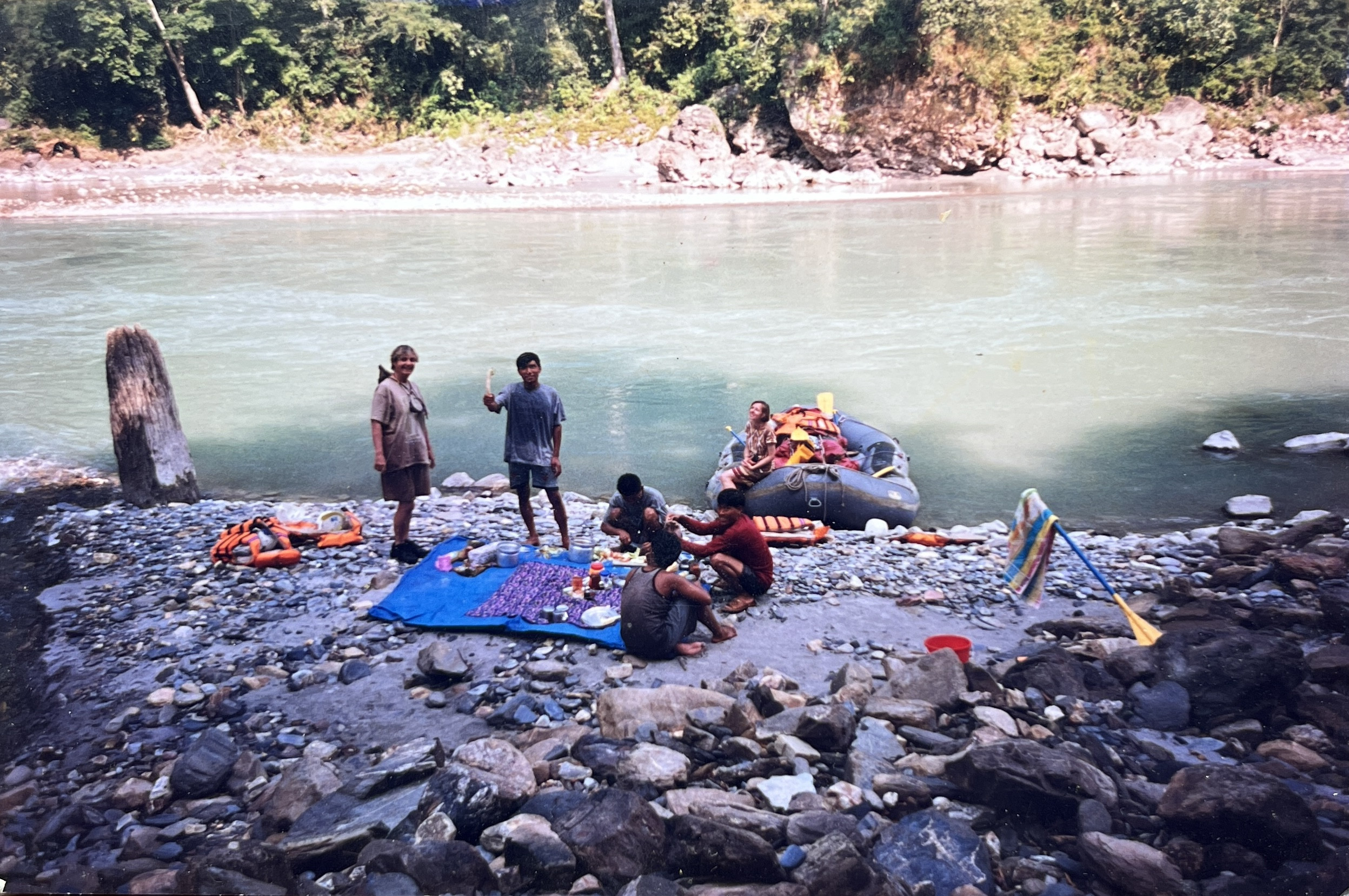
Camp is on sandbars. Dinner is cooked over fire. The sky above a river gorge at night is something a city cannot prepare you for.
The Kali Gandaki is not Nepal’s most extreme river. It is Nepal’s most complete river — technical enough to challenge you, remote enough to change you, and beautiful enough that you will want to come back before you have even finished the last day.
• The world’s deepest gorge — between Dhaulagiri 8,167m and Annapurna 8,091m
• Class III–IV rapids including the famous Good Morning Rapid
• 55km of remote river corridor — no roads, no shortcuts, only downstream
• Sheer canyon walls, hanging waterfalls and Magar villages above the banks
• Four nights of sandbar camping under open Himalayan sky
• Natural pairing with the Annapurna Base Camp Trek — same valley, same mountains
Hover over any day to see details
Drive from Pokhara to Maldhunga — three hours. Safety briefing at the put-in while the guides rig the rafts. Into the water by midday. The Kali Gandaki announces itself quickly — the canyon walls close in within the first kilometre and the highway disappears. Good Morning Rapid is the first named rapid of the trip. It will not be the last. Camp on a sandbar as the gorge darkens around you.
The best day on the river. The gorge is at its deepest — Dhaulagiri and Annapurna on either side, waterfalls dropping from cliffs above, Magar villages perched on terraces hundreds of metres up. The rapids come in sustained sequences with no time to think between them. Technical Class III–IV throughout. Camp on a wide beach as the canyon begins to open.
The gorge walls pull back and the valley widens. The character of the river changes — longer flat sections between rapids, more birds on the banks, traditional villages close to the waterline for the first time. The rapids are still Class III but the urgency eases. Time to look up and notice where you are.
Final morning on the water. The last rapids of the Kali Gandaki before the river slows and the dam at Mirmi appears ahead. Take-out, equipment cleaned and loaded. Drive back to Pokhara — five hours — or onward to your next destination.
✓ SWR certified rafting guide throughout
✓ Safety kayaker on every departure
✓ All rafting equipment — self-bailing raft, paddle, PFD, helmet
✓ Full camping kitchen with dedicated cook
✓ All meals — Day 1 dinner through Day 4 lunch
✓ Camping tents and sleeping mats
✓ Groover system — carry-out waste management throughout
✓ Ground transport Pokhara–Maldhunga and Mirmi–Pokhara
✓ Pre-trip safety briefing
✓ OarPeak emergency first aid kit
– International flights
– Nepal entry visa
– Personal travel insurance
– Personal clothing and gear
– Sleeping bag — hire available in Pokhara
– Alcoholic beverages
– Guide and crew gratuity
The Kali Gandaki River expedition offers a rapid, spectacular descent through the world's deepest gorge. Because the river is governed by strict glacial melt and monsoon sediment cycles, understanding seasonal shifts is paramount for logistics and safety. Here is the operational breakdown of river conditions:
| Expedition Window | River Dynamics & Safety | Daytime Air | Water Temp |
|---|---|---|---|
| 🍂 Autumn BestOct–Nov | Peak Stability. Post-monsoon clearing ensures predictable, world-class whitewater conditions. | 16–28°C | 14–18°C |
| 🌸 Spring PrimeMar–May | Technical Flow. Early glacial melt creates consistent, thrilling Class III-IV runs. | 18–32°C | 12–20°C |
| 🌧️ MonsoonJun–Sep | Safety Suspension. Extreme volume and sediment make the river hazardous. Operations closed. | 22–30°C | 18–24°C |
| ❄️ WinterDec–Feb | Cold Weather. Flow drops significantly, requiring dry-suits and expert cold-water logistics. | 10–22°C | 8–12°C |
Choose your boat
🚣 Paddle Boat ⭐ Most Popular
Everyone paddles together, guided by a professional river guide at the back calling strokes. You're part of the action, working as a team to navigate the rapids.
✓ Great for families & groups
✓ Fun, energetic & interactive
✓ Builds teamwork & excitement
✓ Suitable for beginners
Best for: family adventure & first-timers
⚓ Oar Boat
Your guide does all the rowing from a central oar frame — you sit back, relax, and take in the scenery as you float through the river valley.
✓ Relaxed, scenic experience
✓ No paddling required
✓ Great for all ages & abilities
✓ Expert guide in full control
Best for: relaxed & scenic river float
* Not sure which to choose? Our team is happy to help you pick the right boat for your group. Both options are available on the Lower Seti River.
Pre-Trip Requirements & Technical Packing Briefing
Comprehensive travel insurance is required, explicitly covering whitewater rafting (Class IV) and emergency medical/evacuation services.
Passport with 6 months validity. Please provide 4 passport-sized photos in Kathmandu for mandatory river permits and security registration.
Pre-trip orientation in Kathmandu is mandatory. We will conduct a final gear check, issue your OARPEAK dry bag system, and review river safety and paddling protocols.
Dry Bag System: OARPEAK provides a heavy-duty expedition dry bag at our Kathmandu briefing. To maintain boat balance, please limit personal gear to 10 kg / 22 lbs. All gear will be stored in the raft's main dry storage.
Premium Rentals: High-end hooded down jackets available for USD 25/item. Note: Loss/damage fee is USD 200 per item.
Every OarPeak enquiry is answered by a guide — not a booking agent. Maximum 12 guests per departure.

The Kali Gandaki is graded Class III–IV — challenging and technical throughout. The rapids are named and sustained. Big Brother, Small Brother, Good Morning Rapid, and Rafter’s Refund are the highlights. No prior rafting experience is required but a reasonable level of fitness and water confidence is essential. Your guide will run a full safety briefing before the first paddle stroke.
The trip begins at Maldhunga — three and a half hours from Pokhara by road. The trip ends at Mirmi dam, five hours from Pokhara. All ground transport is included in your trip cost.
October to December and March to June. Both seasons offer ideal water levels and clear mountain views from the gorge. October and November are the finest months — post-monsoon skies and perfect flow. Avoid June to September during monsoon.
55km over four days. OarPeak runs the Kali Gandaki as a four-day trip — one day longer than most operators — which allows a more relaxed pace through the gorge and more time on the best sections of the river.
The Kali Gandaki’s most famous rapids are Big Brother, Small Brother, Good Morning Rapid, Rafter’s Refund, and Walk in the Dark. Most are Class III–IV. Your guide scouts the technical sections before every run and will brief the group on the line before entering each major rapid.
Yes — this is OarPeak’s most popular combination. The ABC trek finishes in Pokhara. The Kali Gandaki put-in at Maldhunga is three and a half hours from Pokhara. The combined trip is 11 days at $1,170 per person — trek the Sanctuary, then raft the gorge beneath it. Ask us about scheduling when you enquire.
Minimum group size is 1 — solo travellers are welcome and will join a shared departure. Maximum is 12 guests per departure, strictly enforced on every OarPeak trip. Private departures for groups of 4–12 are available on request.
Swimwear, quick-dry clothing, a warm layer for evenings, sunscreen, sunglasses, and a dry bag for valuables. All rafting equipment is provided by OarPeak. A sleeping bag is recommended — hire available in Pokhara if needed.